

White watches look stylish and modern, but over time, many owners notice an unwelcome color change; the bright white finish starts turning yellow. This discoloration can make even a premium watch look old, dirty, or poorly maintained.
But what causes this yellowing, you might ask? Sweat, UV exposure, skin oils, and everyday grime slowly seep into the material, leaving this yellow stain that regular wiping won’t remove.
The good news is that you can restore your white watch with the proper cleaning methods. In this guide, we’ll walk you through why yellowing happens and show you safe, effective ways to brighten your watch again without damaging the material. Let’s get into it.
How to Remove Yellowing on White Watches
Here are five simple yet effective methods to remove yellowing from white watches, explained in detail so you can choose the safest and most appropriate for your watch’s material (ceramic, silicone/rubber, plastic, or coated metal).
It’s also essential to identify the cause of the yellowing (usually UV oxidation, sweat, or plastic degradation) to prevent recurrence after cleaning. Remember, some age-related yellowing in plastics may be irreversible.
Remember to always test any method on a small inconspicuous area to see how it reacts to your watch material before proceeding, and to disassemble the band from the watch case for effective cleaning.
1. Mild Dish Soap and Warm Water
Best for: Most silicone, rubber, and plastic bands
Mild dishwashing soap works to remove yellowing on a white watch primarily by breaking down and removing accumulated dirt, sweat, body oils, and grime that cause the discoloration.
A gentle mix of mild dish soap, such as the Better Life Liquid Dishwashing Soap, and warm water is often all you need for surface dirt and light staining. Note: This is the safest first step before stronger cleaners or methods described below.

- GREASE-KICKING FORMULA - This powerful dish soap liquid is...
Steps to follow:
- Mix warm water with a few drops of dish soap.
- Soak the band (not the watch head) for 5–10 minutes.
- Use a soft-bristle toothbrush to scrub all yellowed parts of the watch, gently lifting the buildup.
- Rinse thoroughly. For non-water-resistant watches, use only a damp cloth.
2. Baking Soda Paste
Best for: Silicone/rubber bands and plastic bezels
Baking soda is a versatile, eco-friendly cleaner and mildly abrasive, effective at scrubbing away these pesky yellow stains. The baking soda, with its fine crystals, helps lift dirt, grime, and oxidised metals and cuts grease without harshly scratching the watch surface.
If you are out of baking soda at home, get Arm & Hammer baking soda, as it removes yellowing from silicone, rubber bands, and plastic watch bezels. Note: Avoid using this on coated metal or painted surfaces to prevent abrasion.

- This product adds a great value
Steps to follow:
- Mix baking soda and a little water to form a thick paste.
- Apply the paste evenly to the yellowed areas, then let it sit for 2 minutes.
- Gently scrub with a soft toothbrush, using a circular motion to prevent scratches.
- Rinse well and dry thoroughly with a clean cloth or microfiber towel.
- Repeat the process if necessary until the yellowing is completely removed.
Related: How To Remove Scratches From Ceramic Watch
3. Retro-Brightening Method
Best for: For Plastics Only
Retrobright (stylized Retr0bright) is an excellent method for reversing oxidation-induced yellowing in ABS (Acrylonitrile Butadiene Styrene) plastic, which is common in vintage watches, automotive parts, consumer goods, electronics, and toys.
Retro-Bright effectively reverses yellowing and brings life into aged plastics found primarily on vintage and retro watches. Retrobrighting is a chemical process designed to restore the original color of aging plastic by removing the yellow tint caused by UV light and bromine.
It involves exposing the yellowed plastic to hydrogen peroxide and a UV source to break down and obliterate the yellow stain. All parts to be retrobrighted need to be very thoroughly cleaned in warm, soapy (dishwashing fluid) water, rinsed very thoroughly, and completely dried.
For this method, we recommend using the Retro-Brite (Sole Brite) Gel Formula. It works in a simple 3-step process: Apply the gel, Cover and expose to sunsine, and finally rinse and reveal.
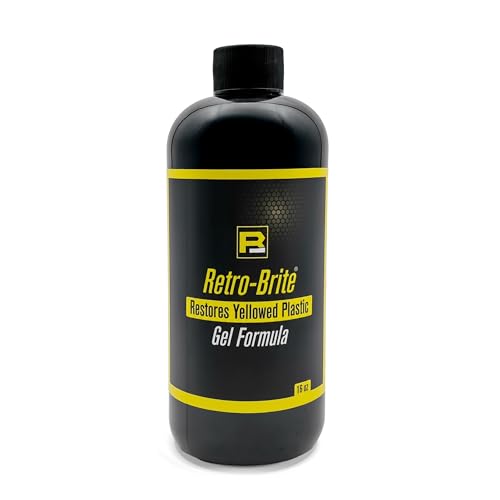
- Gel formulation for easy application and good coverage
Steps to follow:
- Clean the watch thoroughly to remove any dirt, grease, or grime that may affect the Retro-Brightening process.
- Apply the Retro-Brite (Sole Brite) gel and spread it on the yellowed plastic surface. Use a soft brush to spread it evenly.
- Wrap the treated area in plastic wrap and expose it to direct sunlight or UV light for about an hour to activate the whitening effect. Avoid prolonged exposure, as it may damage non-yellowed areas.
- Finally, after exposure, rinse thoroughly with clean water to remove any residue, then dry it with a clean cloth or microfiber towel.
- Repeat as needed for deeper and more stubborn stains.
4. Hydrogen Peroxide Soak
Best for: Stubborn organic stains on silicone/rubber bands
Hydrogen peroxide is a common method to remove yellowing from certain watch materials through an oxidative bleaching process. It’s primarily effective on specific types of plastic polymers that have yellowed due to a chemical breakdown and UV exposure.
Hydrogen peroxide breaks down certain organic compounds that cause yellowing. The yellowing may return over time (1-5 years), as the underlying polymer instability remains. The process may need repeating.
We recommend using a 3% to 12% Hydrogen Peroxide, such as the Epic Medical Supply 3% Hydrogen Peroxide – First Aid Antiseptic & Multipurpose Cleaner. Higher concentrations work faster but require more caution.
Remember to test this method on a hidden area first. Never use this method on metal cases, crystals (glass/sapphire), paint, leather, or watch dials with printing.

- Versatile Antiseptic Hydrogen Peroxide Solution for Everyday...
Steps to follow:
- Disassemble the watch and remove the silicone or rubber bands. Store the watch head dry away from the solution.
- Soak the silicone or rubber bands in a diluted hydrogen peroxide solution for 5–10 minutes. Avoid prolonged exposure.
- Rinse thoroughly with a clean cloth and air-dry.
5. Specialized Watch Cleaning Kits
Best for: Metal bracelets and higher-end finishes
Watch Cleaning Kits are high-end watch- and jewelry-grade cleaning solutions designed to remove oxidation and yellow staining on metal watch cases and bracelets without damaging the finish.
For this method, we highly recommend using the WristClean Watch Cleaning Kit, which is designed for general cleaning, light scratch removal, and strap care of metal watch cases and bracelets.
The Kit contains Watch Cleaning Foam, Brushed Finish Polishing Paper (~30 sheets), Ultra Fine Polish Cream (1 oz), Rubber & Leather Strap Care, Microfiber Cloths, and Soft Brushes.
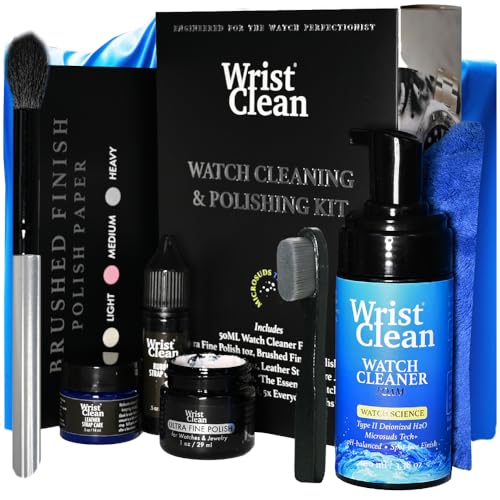
- ADVANCED MICROSUDS SCIENCE: WristClean's Watch Cleaning...
Follow the product instructions, and always rinse thoroughly. These are ideal for metal and ceramic links, not silicones or plastics.
The WristClean Kit is an excellent maintenance tool for keeping a watch looking “like new” by cleaning and addressing minor wear. It is not a solution for reversing material aging or yellowing.
Related: How To Remove Oxidation From A Gold Watch
Frequently Asked Questions
Below are the Frequently Asked Questions regarding the removal of yellowing of white watch surfaces:
What causes a white watch to turn yellow in the first place?
Yellowing is usually caused by UV exposure, oxidation, body oils, sweat, dirt buildup, and environmental contaminants that react with the watch’s materials.
Can all types of yellowing be removed from white watches?
Most surface stains can be removed; however, deep oxidation or permanent material degradation may only lighten, not entirely disappear, depending on the watch material.
For instance, as mentioned earlier, some age-related yellowing in plastics may be irreversible.
Is hydrogen peroxide safe for cleaning white watch bands?
Yes, in moderation. It’s effective for silicone and rubber bands, but should be diluted and not used on coated metals or certain plastics that may react negatively.
How often should I clean my white watch to prevent yellowing?
A quick wipe after daily wear and a deeper clean every 1–2 weeks helps prevent oils and contaminants from setting into the material.
Will strong household cleaners like bleach whiten my watch?
No. Bleach and harsh chemicals can damage coatings, weaken rubber, and permanently discolor the watch. Stick to mild soap, baking soda, or water-safe cleaners.
Related: How To Remove Dead Skin From Watch Band
Conclusion
White watches are stylish, versatile, and eye-catching, but even the best materials can lose their brightness over time. Understanding why yellowing happens gives you the power to stay ahead of the problem.
With the proper care, your watch can stay crisp and clean far longer than most people expect. From gentle soap solutions to peroxide treatments and specialized cleaners, each option has its place.
With patience and the proper approach, you can restore most white watches to a brighter, fresher look without risking damage. If you ever need personalized guidance or product recommendations, we’re always here to help. For any enquiries, don’t hesitate to contact our team.
Last update on 2026-03-31 / Affiliate links / Images from Amazon Product Advertising API