

Scratches on a Swatch watch face can be frustrating, as even minor marks can make the watch appear old or poorly maintained. Moreover, over time, these scratches can make it difficult to read the dial and diminish the overall appeal of your Swatch.
Every day wear, accidental bumps, or rubbing against keys can leave visible marks that dull the watch face’s clarity. The good news is that these scratches can be removed easily to restore the original shine of your prestigious Swatch watch.
In this guide, we will discuss six simple, safe, and effective ways to remove scratches and restore your Swatch watch face to a clearer, cleaner finish.
First Step: Identify Your Swatch Watch Crystal Material
Before we begin the cleaning process, it is critically important to identify the crystal type on your Swatch watch, so we can use a method that is safe for the watch.
Refer to the watch owner’s guide or the Swatch website to determine what material your crystal is made from. The other materials used by Swatch include:
1. Acrylic or Plastic
It’s soft, scratches easily, but can be polished. The most common on classic Swatches, including the original Gent and Lady series from the 1980s and 1990s, use acrylic or plastic crystals.
2. Mineral Glass
It’s harder than acrylic, but can still scratch. It feels hard and cold like glass and does not flex. Many modern Swatch watches use mineral glass for their crystals, especially in their Irony, Originals, and some automatic lines.
3. Sapphire Crystal
It’s tough and scratch-resistant, but brittle. Only a diamond or a more rigid material can scratch it. Used on higher-end Swatch lines (like Swatch X Omega MoonSwatches).
Do NOT use any abrasive polish or toothpaste on Mineral Glass or Sapphire Crystal. It will create a milky, hazy finish that is irreparable.
The methods below are primarily for plastic or acrylic crystals, unless stated otherwise (Method 5: Cerium Oxide Paste for Mineral glass and Method 6: Diamond Polishing Compound for Sapphire Crystal).
How to Remove Scratches From a Swatch Watch Face
Here are six detailed methods to remove scratches from a Swatch watch face. Since most Swatch models use plastic and acrylic crystals, these techniques focus on safe cleaning options suitable for softer materials.
1. Polywatch Scratch Remover
Best for: Light to moderate scratches on acrylic/plastic
Polywatch Scratch Remover is a polishing paste that buffs out light scratches on watch faces, using fine abrasives to smooth the surface and restore its shine.
It’s easy to use and ideal for minor scratches on plastic or acrylic watch crystals. The compound melts a tiny layer of plastic, blending the scratch into the surrounding surface.
Polywatch Plastic Watch Crystal Scratch Remover is available on Amazon with a Kit that contains a microfiber polishing cloth.

- LONG LASTING PROTECTION - A watch’s surface can often...
Steps to follow:
- Apply a small dab of polish to the scratched surface of the watch crystal and spread it evenly.
- Using a microfiber cloth (included in the package), rub or polish the crystal vigorously using circular motions for 2–3 minutes, applying firm pressure at a right angle to the scratch.
- Wipe clean and repeat if necessary, especially for deeper scratches.
2. Toothpaste Method
Best for: Light surface scratches on acrylic/plastic
Toothpaste (non-gel, white) removes light scratches from watch faces by using its mild abrasives to buff out imperfections, leaving the surface smoother and more polished.
Toothpaste is not as strong as Polywatch, but it is a great budget-friendly fix for quick touch-ups. It’s exceptionally effective for shallow scratches on Swatch plastic and acrylic crystals.
We recommend a non-fluoride toothpaste, such as Cleure Original No Fluoride Toothpaste, as it will not corrode or bleach the watch crystal, bezels, or lugs during cleaning.
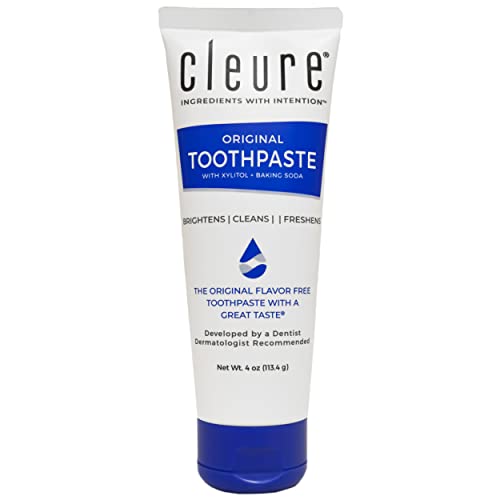
- Formulated by a Dentist - Our hypoallergenic toothpaste has...
Steps to follow:
- Apply a pea-sized amount on the watch crystal and spread it evenly
- Rub in circular motions for 2–5 minutes, focusing on the scratched area.
- Wipe clean and repeat if necessary.
3. Baking Soda Paste
Best for: Light to medium scratches on acrylic/plastic crystals
Baking soda paste removes scratches on acrylic or plastic watch crystals by acting as a mild abrasive. The fine, gritty texture of baking soda gently buffs away shallow scratches without damaging the surface.
When mixed with water to form a paste, it’s rubbed onto the scratched area, and the abrasive particles smooth out the imperfections, effectively restoring clarity to the crystal.

- Ideal for Baking: Made with fine baking soda particles from...
Steps to follow:
- Mix baking soda with a few drops of water to form a thick paste.
- Apply using a soft, damp cloth to the watch face, evenly.
- Polish in small circles with light to medium pressure.
- Wipe clean with a water-dampened cloth.
- Repeat the process if necessary.
4. Novus Plastic Polish Kit
Best for: Deep scratches or heavily worn acrylic/plastic crystals
The Novus Plastic Polish Kit is designed to clean, restore clarity, and remove scratches from most acrylic and plastic surfaces, including the plastic or acrylic crystal of your vintage Swatch watch.
The Novus system includes three levels: #1 cleans, #2 removes fine scratches, and #3 removes deeper scratches. This system restores clarity extremely well on acrylic watch faces.

- The NOVUS Complete Plastic Care Kit is the Most Effective...
Steps to follow:
- Start with the bottle labeled No. 1 to clean the surface of dirt and dust.
- Apply No. 2 for fine scratches, or No. 3 for heavy ones, working in small, circular motions with a clean cloth.
- Finish with No. 1 again to buff to a high glaze, providing dust resistance and a lasting shine.
Important Considerations:
- Test First: Always test on a small, inconspicuous area to check compatibility.
- Not for All Plastics: Do not use No. 2 or No. 3 on coated plastics or UV-protected surfaces, as it can cause permanent damage.
5. Cerium Oxide Paste
Best for: Light to medium scratches on mineral Glass Crystals
Cerium oxide paste is a mixture of cerium oxide powder and water, used primarily for polishing glass to remove minor scratches and swirl marks.
This paste eliminates scratches on the watch glass, achieving a high-gloss finish through mechanical abrasion and a slight chemical reaction, gradually reducing the scratch’s depth and restoring clarity.
Cerium oxide paste is made with a 2:1 powder-to-water ratio to a yogurt-like consistency, and applied with a buffing pad on a drill or polisher. Check out the Cerium Oxide High Grade Glass Polishing Powder available on Amazon.

- ✅ Optimized Cerium Oxide Powder Tailored for Glass...
Steps to follow:
- Make sure the glass watch face is clean and free of dirt.
- Mix the Cerium oxide with water at a 2:1 ratio, then mix until a consistent, thick paste forms.
- Dab a small amount of cerium oxide paste on a soft cloth or microfiber towel.
- Gently rub the paste onto the scratched area of the watch glass in small, circular motions.
- Continue polishing for a few minutes until the scratch starts to vanish.
- Use a clean cloth to wipe away any remaining polish.
- Repeat if necessary.
Remember to be gentle and avoid over-applied pressure to prevent damaging the crystal.
6. Diamond Polishing Compound
Best for: Light to medium scratches on Sapphire Crystal
Finisolva 8 pack Diamond Polishing Compound Kit, with its range of 80,000 to 450 grit, is designed to remove scratches from hard surfaces like sapphire crystal by using fine diamond abrasives.
The higher the grit number, the finer the polish, gradually smoothing the scratched area to restore clarity without damaging the crystal.
The diamond paste gently abrades the scratch, working from coarse to fine grit to reduce its depth and polish the surface to a smooth finish.
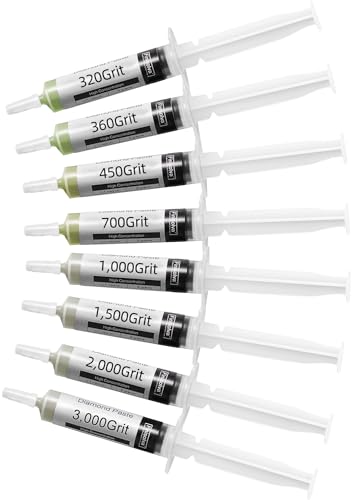
- DIAMOND POLISHING COMPOUND KIT: This premium polishing kit...
Steps to follow:
- Clean the watch to ensure the sapphire crystal is free from dirt and debris.
- Use a small amount of Finisolva diamond paste on a soft, lint-free cloth or microfiber towel.
- Gently rub the compound onto the scratched area in circular motions, starting with the coarser grit (80,000) for deeper scratches and finishing with the finer grit (450) for a smooth, polished finish.
- Continue polishing until the scratch becomes less visible or is completely removed.
- Clean off any excess compound with a clean cloth, then inspect the crystal for a more precise finish.
Always apply light pressure to prevent any damage to the sapphire crystal.
7. Professional Crystal Replacement
Best for: Cracks, gouges, or extremely deep scratches on all crystal types
If the damage is beyond polishing, a watch technician can replace the acrylic crystal entirely. Swatch replacements are affordable and often restore the watch to like-new condition. This is the safest option for severe damage.
Contact our team for a step-by-step cleaning routine based on your Swatch model and the type of scratches you’re dealing with.
Conclusion
Scratches on a Swatch watch face can be frustrating, but they don’t have to ruin your watch’s appearance.
Most scratches can be safely removed using the proper techniques and products, such as Polywatch, toothpaste for acrylic or plastic crystal, or specialized polishes for mineral glass crystals and sapphire crystals.
Understanding the type of crystal your watch has helps you choose the most effective method without causing further damage.
With these simple yet effective methods, restoring and maintaining your Swatch watch face is straightforward and achievable at home.
Remember, gentle care and the right products are key to long-lasting results. For any enquiries, don’t hesitate to contact our team.
Last update on 2026-02-28 / Affiliate links / Images from Amazon Product Advertising API