

Do you want to remove scratches from a ceramic watch? Read on as we will explore six effective methods to help remove any scratches from your ceramic watch.
Many luxury watch brands have embraced ceramic materials, often associating them with high-tech innovation and exclusivity. This has boosted their appeal in the luxury market. In addition, ceramics retain color well, so these watches don’t fade or discolor over time. This is particularly appealing for watches in colors other than silver or gold.
However, despite their robustness, they are not immune to occasional scratches. These scratches can mar the beautiful finish of a ceramic watch, detracting from its elegant appearance.
This article aims to guide watch enthusiasts and owners through the different methods of removing scratches from their cherished ceramic timepieces. We will also delve into why ceramic watches are susceptible to scratches.
Whether you’re a seasoned collector or a new owner, these tips will help ensure that your ceramic watch continues to look as splendid as the day you acquired it.
Let’s dive in!
Why Ceramic Watches Are Prone To Scratches
Ceramic watches are known for their sleek appearance and durability, but they are also prone to scratches for several reasons:
1. Hardness vs. Brittleness
Ceramic materials are extremely hard, often rating close to diamonds on the Mohs scale of mineral hardness. This high hardness means that they are resistant to scratches from softer materials.
However, this hardness comes at a cost – ceramics are also brittle. A ceramic watch can develop scratches or chips when subjected to a sharp impact against a hard object. This brittleness is due to the crystalline nature of ceramic materials.
2. Surface Finish
Many ceramic watches have a glossy finish, which, while visually appealing, can make scratches more noticeable. Even minor abrasions that might not be visible on a matte or textured surface can appear on a smooth, shiny ceramic watch.
3. Age and Wear
Over time, the surface of a ceramic watch can undergo micro-abrasions and wear, which may not be individually noticeable but can collectively make the watch more susceptible to noticeable scratches.
This wear can subtly degrade the surface, making it less able to resist new scratches.
4. Thermal Expansion and Contraction
Ceramic materials are sensitive to temperature changes. They expand and contract with fluctuations in temperature, which can lead to micro-cracks on the surface.
These tiny cracks may not be immediately visible but weaken the structural integrity of the ceramic, making it more susceptible to scratching under normal wear conditions.
5. Improper Care
Ceramic watches require careful handling and maintenance. Using abrasive cleaning materials or exposing the watch to harsh chemicals can wear down the protective layers on the ceramic, making it more prone to scratches.
Moreover, frequent exposure to hard surfaces or abrasive materials in the environment can gradually erode the surface integrity of the ceramic.
6 Effective Methods To Remove Scratches From Ceramic Watch
Below are six simple yet effective methods to remove scratches from ceramic watches without causing any damage.
1. Mild Abrasive Method
The first method involves using a mild abrasive, such as toothpaste or Baking soda mixed with water. This DIY solution is ideal for superficial scratches.
The process requires a soft cloth and gentle, circular motions to buff out the scratch. It’s essential to be cautious and avoid excessive pressure, as ceramics are susceptible to further damage if handled roughly.

- 16 ounce package
We highly recommend using the MR.SIGA Microfiber Cleaning Cloth. The cloth is crafted from superior-quality microfiber, making it exceptionally gentle on sensitive surfaces like ceramic watches.
Its ultra-soft texture ensures that your valuable timepiece is cleaned without any risk of scratches, preserving its elegant appearance.
One of the standout features of this cloth is its remarkable absorbency. It effortlessly soaks up water and moisture from surfaces.
Materials Needed:
- Non-gel toothpaste
- Soft cloth
- Bowl of Water
Steps To Follow:
- Clean the watch thoroughly to prevent any dirt or debris from causing more scratches
- Use the cloth with toothpaste to gently rub the scratched area of your ceramic watch.
- Do this in a circular motion for about 30 seconds to a minute. Be gentle to avoid causing more damage.
- Rinse the area with a little water to check if the scratch is diminishing.
- Repeat the rubbing process if necessary.
- Wipe the area thoroughly with a damp cloth once the scratch is less visible or removed.
- Dry it with a clean, soft cloth.
2. Diamond Paste Polishing Method
Diamond paste, a compound containing finely ground diamond particles, is another effective method for removing scratches from ceramic watches. This high-grade abrasive can smooth out more significant scratches without damaging the ceramic surface.

- 5 Piece Polishing Compound Set: Each pack comes with 5 oil...
We recommend buying the Tryuunion Diamond Polishing Compound for the best results. This set is designed with various grit levels, ranging from a substantial 1500 grit for effective stock removal to an ultra-fine 80000 grit for achieving that impeccable final polish.
What sets this diamond polishing compound apart is its unique oil-based formulation. Infused with fine diamond powder, it guarantees a smoother, more efficient polishing experience.
It’s important to use the paste sparingly and to clean the watch thoroughly after the process to remove any residual paste.
Materials Needed:
- Diamond paste
- Soft polishing cloth and a soft brush
- Bowl of water
Steps To Follow:
- Use the brush and water to clean the ceramic surface of the watch gently.
- Start with a coarse grit diamond paste. Apply a small amount on the polishing cloth.
- Gently rub the paste on the scratched area in a circular motion. Apply even pressure, but be careful not to press too hard, as ceramics are delicate.
- Rinse the area with water to remove the paste. Check the scratch.
- Repeat the polishing process with the coarse paste if it’s still visible.
- Once the scratch is less visible, switch to a finer grit diamond paste and repeat the polishing process.
- Rinse the watch thoroughly with water and dry it with a soft, lint-free cloth.
4. Cerium Oxide Method
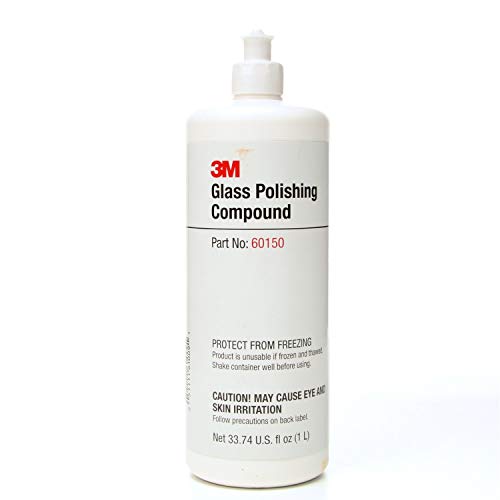
- Bottled liquid compound used for defect repair and scratch...
Cerium Oxide, a chemical compound commonly used in glass polishing, is also effective for treating scratches on ceramic watches. This method is particularly useful for medium to deep scratches.
The compound is mixed with water to create a slurry, which is applied to the scratch using a soft cloth. The key to success with cerium oxide lies in the consistent application and gentle buffing, ensuring that the scratch is uniformly treated without exerting excessive force on the ceramic.
Consider buying the 3M Glass Polishing Compound with Cerium Oxide Mineral to rejuvenate their ceramic watches. The exceptional feature of this compound is its user-friendly application.
Ideal for use with both dual action and rotary machine polishers, it efficiently cuts through blemishes and swiftly breaks down to leave behind a crystal-clear finish.
Materials Needed:
- Cerium oxide powder
- Bowl of water
- A soft cloth or Microfiber cloth
- Protective gloves
- Masking tape
Steps To Follow:
- Mix cerium oxide powder with a little water to form a thick, paste-like slurry.
- Using a soft cloth, gently apply the cerium oxide mixture to the scratched area in a circular motion.
- The cerium oxide acts as a fine abrasive to grind down the surface and smooth out the scratch gently.
- Wipe the area with a clean, damp cloth to remove the cerium oxide residue.
- Check if the scratch is still visible. If it is, repeat the application process.
- Clean the entire watch with a microfiber cloth to remove any remaining cerium oxide residue.
5. Commercial Scratch Remover Method
Commercial scratch removers, specifically designed for this purpose, can be a convenient and effective solution. These kits usually come with various tools and compounds to address different scratches. They often include detailed instructions to ensure you get the best outcome.
We recommend checking out the Nano Clear Watch Cleaner & Scratch Remover. This revolutionary product promises to restore your accessories’ original shine and glamour, making them the perfect complement to your elegant attire.
This powerful kit can remove dirt, stains, and even the most stubborn scratches in just a few minutes. Whether it’s a cherished family heirloom or your latest timepiece, Nano Clear ensures they’re always presentation-ready.
No products found.
Materials Needed:
- Commercial scratch remover
- Soft cloth
Steps To Follow:
- Clean the surface of the watch thoroughly.
- Apply the scratch remover with a soft cloth.
- Gently rub over the scratch in a circular motion. Apply steady pressure, but do not press too hard to avoid further damage.
- After a few minutes of rubbing, pause to check if the scratch is disappearing.
- Use a damp cloth to remove any residue.
- Dry the watch with a clean, dry cloth. You can use a specialized ceramic polish to give the watch a shiny finish.
6. Seek Professional Help
For deeper scratches, professional polishing is recommended. This method involves taking your watch to a skilled watchmaker or jeweler specializing in ceramic materials.
Professionals use specialized equipment and compounds designed specifically for ceramic surfaces, ensuring the removal process is safe and effective. While this option may be more costly, it guarantees a high-quality finish, restoring your watch to its original luster without the risk of further damage.
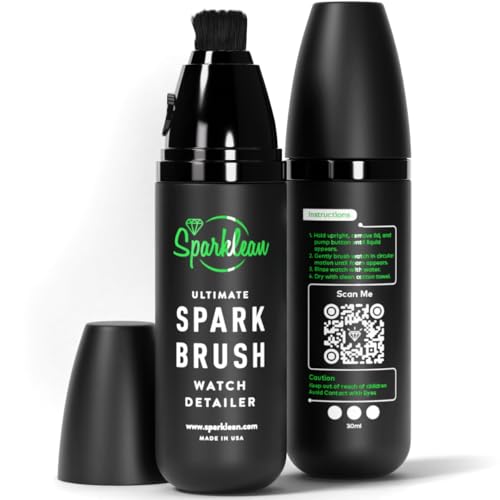
For professionals, we recommend buying the SPARKLEAN Ultimate SparkBrush Watch Cleaner. It stands out with its ultra-fine, soft bristles, designed to tackle dirt and grime effortlessly. Its advanced, fast-spinning jewelry cleaning brush is a game changer.
A standout feature of the Nano Clear is its user-friendly design. This watch movement cleaner epitomizes ergonomic efficiency.
Steps To Follow:
- The professional will assess the depth and severity of the scratches.
- The watch is thoroughly cleaned to remove any dirt or debris.
- A specialized polishing compound is used for ceramic materials. This step gently buffs out superficial scratches.
- A more intensive process might be necessary for deeper scratches. It could involve filling the scratches with a ceramic-compatible substance and re-polishing.
- After polishing, the watch is inspected to ensure all scratches are removed and the surface is smooth.
- The watch is cleaned again to remove any polishing compound residues and inspected to ensure its integrity and functionality.
Conclusion
Maintaining the pristine appearance of a ceramic watch requires understanding its material properties and employing the right methods to address scratches. From professional refinishing to simple home remedies, there are methods to suit different needs and levels of comfort.
However, the key lies in preventive care. Using scratch protectors and proper storage will significantly prolong the life and beauty of your ceramic timepiece.
Proper storage is equally crucial. When not in use, the watch should be stored in a soft, cushioned environment, away from harder jewelry items that could cause scratches. We recommend storing it in a dedicated watch box or a soft pouch for the best protection.
Wearing a watch without defects will boost personal satisfaction and confidence. A well-maintained timepiece is a source of pride and will complement your personal style and professionalism.
We hope this post helped you learn how to remove scratches from ceramic watches.
Last update on 2026-03-29 / Affiliate links / Images from Amazon Product Advertising API