
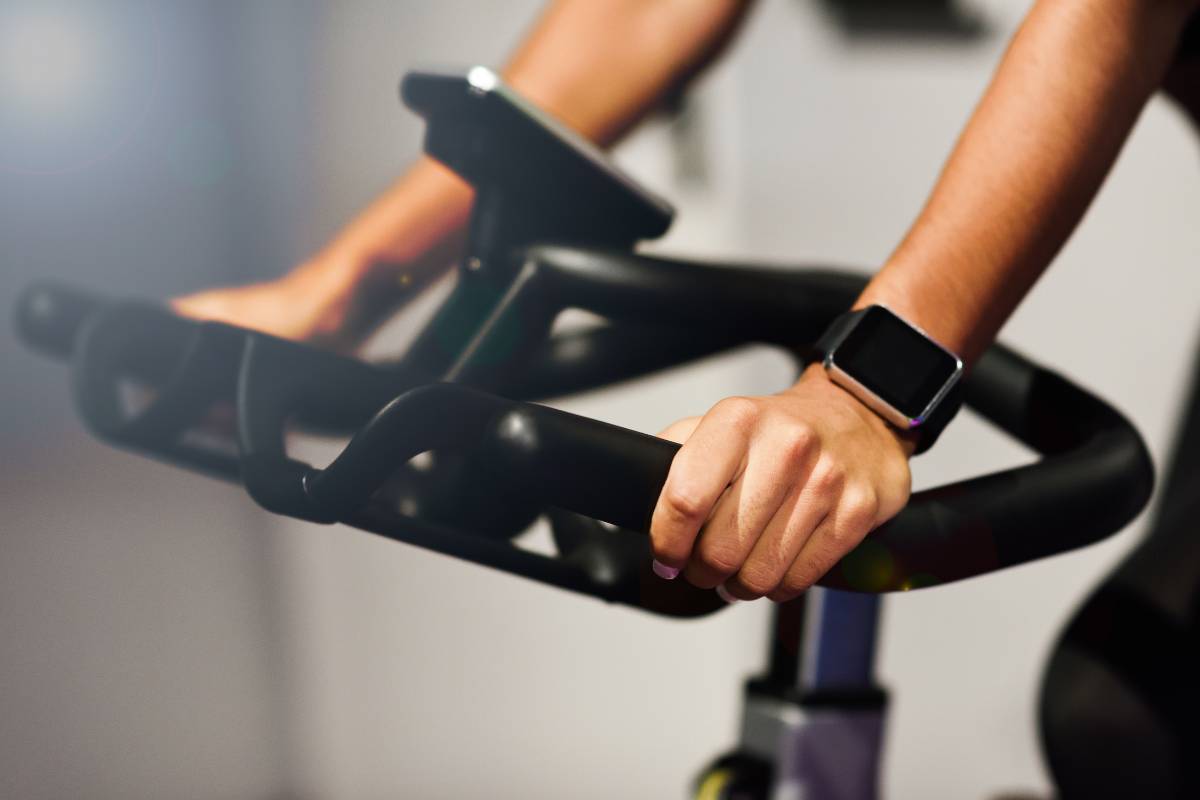
Sweat is the most common cause of stubborn stains on most watches, as it contains a combination of salt, oils, and acids that react with the watch material, causing various forms of damage.
Over time, this sweat buildup can discolor the watch’s metal case and degrade leather or fabric straps. We know the feeling of seeing your favorite accessory deteriorate; for this reason, our team wrote this article just for you.
We have compiled a list of five simple yet effective methods you can use to remove pesky stains from your watch case and straps, restoring your watch’s appearance and protecting it from future damage.
5 Ways to Remove Sweat Stains From Watch Case and Strap Safely
The methods we discuss below are safe to use to remove sweat stains from various materials and surfaces of your watch case (usually metal) and strap.
These methods work because they safely and effectively target the three components of sweat: that is, salt, oils, and acids.
Before we begin, here are some golden rules you should observe when removing sweat stains on the watch case and straps to get the most desirable results:
- Always detach the watch strap or bracelet from the watch face and clean them separately.
- Always test any product on a small, inconspicuous area before applying it to the whole surface.
- Do not use abrasive or corrosive cleaners on plated or polished watch surfaces, such as gold or silver-plated watch cases, PVD-coated straps, or high-polish steel, to prevent scratching and etching.
- For leather and fabric straps, never soak in detergents or cleaners. And always condition leather after cleaning.
- Never use a hairdryer or direct sunlight to dry leather or rubber straps, as this can cause cracking or warping.
- Ensure your watch has at least a 5 ATM or 10 ATM rating before submerging it in water. For non-water-resistant watches, wrap the watch in plastic wrap while cleaning the metal bracelet.
Below are the five methods.
1. Warm Water and Mild Dish Soap
This is the safest and most effective method for metal, rubber, and silicone bands and cases.
Warm water softens and loosens dried sweat residue, while mild dish soap breaks down oils and lifts salt and dirt from the surface. When combined, they dissolve and suspend the buildup, allowing it to be gently wiped or rinsed away without damaging the watch.
We recommend using a clear, pH-neutral, fragrance-free dishwashing liquid, such as Palmolive Ultra Dishwashing Liquid, to minimise the risk of corroding the watch cases or band material.
No products found.
Steps To Follow:
- Mix a few drops of soap in a bowl of warm water.
- For metal cases & bracelets, scrub gently with a soft toothbrush, focusing on crevices and links where sweat tends to accumulate.
- For silicone, rubber, and nylon straps, dip a clean cloth into the mixture and clean the watch strap in a gentle circular motion.
- Rinse with clean water and dry thoroughly with a clean microfiber cloth.
2. Baking Soda Paste
This method is best for heavy sweat-stain buildup, especially on metal watch cases and bracelets.
Baking soda paste, with its mild abrasiveness, helps scrub away hardened salt and grime, while its alkaline properties break down and neutralize residue without damaging most watch surfaces.
We always go for Arm & Hammer Baking Soda because of its dual-action cleaning and deodorizing. This baking soda is free of harsh chemicals and gentle enough to use on many watch faces and strap surfaces, thanks to its scratchless cleaning formulation.
No products found.
Steps To Follow:
- Make a paste of a desired thickness by mixing baking soda with water.
- Apply the paste to the stained area on the watch case or metal bracelet.
- Gently rub with a soft cloth or your finger in the direction of the grain (if brushed). Avoid this method on polished or plated finishes.
- Rinse and dry thoroughly.
3. White Vinegar Solution
This method is effective for deep cleaning, odor removal, and sanitizing rubber or nylon straps.
A diluted white vinegar solution removes deep sweat buildup by dissolving salt and mineral residue.
The mild acid in white vinegar dissolves salt and calcium deposits from dried sweat. It also helps kill odor-causing bacteria and effectively cleans and refreshes rubber or nylon straps safely.
LA’s Totally Awesome Cleaning Vinegar is an ideal tool for this method because it is streak-free and safe to use on various surfaces, except glass.
No products found.
Steps To Follow:
- Mix equal parts of white vinegar with water to create the cleaning solution.
- Dampen a cotton swab or soft cloth with the solution.
- Dab the solution onto the stained areas and let it sit for a minute, then rinse immediately with clean water and dry it completely.
- Do not use on leather, fabric, glass, or mother-of-pearl dials.
4. Leather Cleaner and Conditioner
This method is ideal for Leather Straps, as leather requires special care as it is not sweat-resistant and can crack if dried out.
A leather cleaner cleans leather straps without drying them out, while a leather conditioner restores moisture and flexibility, helping prevent cracking and extend the strap’s lifespan.
A Kit such as the Chemical Guys Leather Cleaner and Conditioner Kit safely cleans dirt and sweat from leather, then restores moisture and softness, preventing dryness, cracking, and wear.
No products found.
Steps To Follow:
- Remove the strap from the watch and apply the leather cleaner with a soft cloth, gently wiping to lift dirt, sweat, and grime.
- Repeat if necessary until the sweat stain and smell is completely removed.
- Let the strap dry completely in a shaded, well-ventilated area.
- Apply the leather conditioner evenly with a soft cloth, massaging it in to restore moisture and flexibility.
- Buff lightly to remove any excess conditioner and achieve a smooth finish.
5. Ultrasonic Cleaner
This method is ideal for metal watch bracelets with deep crevice stains (discolored, dark spots).
An ultrasonic cleaner uses high-frequency sound waves to create tiny bubbles that reach deep crevices, loosening dirt, sweat, and discoloration on metal watch cases and bracelets without scratching.
You should use this method with caution, as not all watch models are safe to use in an Ultrasonic cleaner. To clean the bracelet, remove it from the watch head. Refer to your watch manual or website.
Most Ultrasonic cleaners, such as the VisiClean Ultrasonic Cleaner, are safe to use on jewelry, including diamond rings, gold and silver bracelets (but not watch cases), earrings, necklaces, glasses, and coins.
No products found.
Steps To Follow:
- Detach the watch case if it’s not waterproof.
- Fill the ultrasonic cleaner with water and a small amount of mild detergent or a specialized watch-cleaning solution.
- Place the metal case or bracelet in the cleaner’s basket.
- Turn on the ultrasonic cleaner and run it for the recommended time (usually 3–5 minutes).
- Rinse thoroughly with clean water to remove any loosened dirt and cleaning solution.
- Dry thoroughly with a soft cloth, then let air-dry.
Frequently Asked Questions
Below are frequently asked questions about cleaning sweat stains and odor from watch cases and straps.
1. Can cleaning my watch too often damage the strap or case?
Yes, cleaning a watch too often or incorrectly can damage the case and strap, especially if harsh chemicals, excessive scrubbing, or improper methods are used.
2. Can I use household cleaners like vinegar or dish soap on my watch?
Yes, as explained above, vinegar is an effective cleaning agent for watch bracelets and bezels, especially if made of metal. However, be sure to rinse thoroughly with clean water to avoid vinegar-induced corrosion.
3. Is it safe to use an ultrasonic cleaner on all types of watches and bands?
No, it is not safe to use an ultrasonic cleaner on all types of watches and bands. While excellent for cleaning metal bracelets, the intense vibrations and cavitation can damage the watch’s internal mechanisms, compromise seals, and ruin delicate materials inside the watch case or head.
According to YunyiSonic, you should also avoid ultrasonic cleaning for any leather, suede, nylon, or resin bands. Organic or porous materials do not react well to cavitation.
4. How do I prevent sweat stains and odor from forming on my watch in the first place?
Preventing sweat stains and odor on your watch requires a combination of choosing the right strap materials for active sports and the gym, maintaining proper skin hygiene, and regularly cleaning your watch to prevent bacterial buildup.
Final Words
By using the right method for your watch’s material, you can safely and effectively remove stubborn sweat stains. Starting with mild soap and warm water is often the most effective and safest step for metal cases and silicone straps.
For metal, gentle pastes or specialized polishes can tackle tougher marks, while leather and fabric require their own specific, gentle cleaners. The key is always to test first and avoid harsh chemicals.
With the above methods at hand, you can now enjoy your timepiece with the confidence that it will remain clean, fresh, and free of damaging residue.
Last update on 2026-07-22 / Affiliate links / Images from Amazon Product Advertising API